

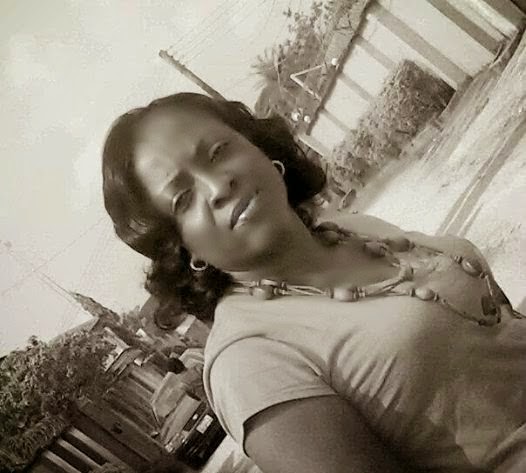
Being the keynote address delivered by, Sarah Daba Wilson for the Dr. Enajite Ojaruega online birthday symposium held on the 5th of March 2017.
Various works of African Literature by some foremost female writers have unequivocally portrayed the plight of the African woman. These works have been received with mixed feelings and emotions. While some persons feel they are in an attempt to make the modern woman unruly, unsubmissive and relatively immoral, some others like myself accept these works as a necessary call for us all, male and female alike to critical examine our roles, actions and reactions in the making of the woman. It is expedient that through the study of these works, we continue to question the very beliefs that shape our culture.
Patiently stay through with me as I intend to make this as concise as required.
Sitted in a bus with fourteen other passengers including the driver of the bus, I could not help but feel irritated at an elderly man who was clearly a misogynistic, sexist, patriarchal and in fact a masochistic advocate. Listening to his rantings, I felt enraged. He said, “I have told my son that the day he brings home a carcass, a woman whose body has been vandalized for a wife, that day I will disown him. What good is a young girl if she is not a virgin? A woman’s worth and respect heightens in marriage if she can present herself to a man as a virgin. I was having a conversation with my dad in the presence of my son and I asked my dad if he met my mum as a virgin, he said ‘yes’. My dad said he married my mum at the age of 16, he said, till today, he is particularly proud of the fact that he was the first and only man to have been with my mother. Immediately, my son turned to me and asked, “Daddy did you meet my mum as a virgin?” I couldn’t hide the embarrassment that flushed through my face but I knew it was a moment of truth and I had to speak the truth. My son, I won’t even lie to you, I didn’t meet your mother a virgin that’s why I want you to be careful and watchful when choosing a wife…”
The narrative above is not fiction!
Amazingly this elderly man won the admiration and support of other commuters (women included) as they kept saying “Oga na true you talk”. I was bold enough to ask him some questions which obviously earned me a bad reputation. I said to him, “Oga, you have made a very good effort to degrade and demean the woman. You have attempted to reduce the whole idea of womanhood to the ‘hymen’.” I asked him, “Does a girl become good-for-nothing at the loss of her virginity? How and where do you place a young girl who was sexually abused by a heartless relative, a step-father or even a neighbour? What do you say about a promising young lady who does all she can to keep her chastity and then gets gang-raped by uncivilised brutes just because she was walking on a lonely path or because she dressed in a certain way? How about female athletes or girls whose hymen were broken in the course of physical activities? These girls that you assert were vandalized, who vandalized them?” You sure can guess his responses to my questions. I told him, “Oga, if you have a daughter, be sure to follow her everywhere she goes to just so she doesn’t get ‘vandalized’.
It saddens me to know that in a typical African society, women are not respected for the meaningful contributions they make in various aspects of the society. She is chastised for deviating from stereotypical gender norms, she is bullied for not being able to conceive and bear children, she is criticized and called all sorts of names if she decides to make a living by any means possible. I crave our indulgence to a thought-provoking issue on how women are constantly oppressed and degraded because of their biological make-up. Some persons have even argued that most religious books are in fact sexist. Greatly giving expression to this issue in discourse, are the works of prominent female writers like Chimamanda Ngozi Adichie, Sefi Atta, Ama Ata Aidoo, Veronique Tadjo, Taiye Selasi, Buchi Emecheta of blessed memory amongst many others. In their works of African Literature, they have lent credence to the central theme of the role of women and the oppression of women in a typical patriarchal society. A woman is constantly faced with cultural assumptions and degradation over what she does, what she did not do, what she can do, what she should not do, what she wears, what she should not wear in a social, political, economic or civil space. It is undoubtedly a battle to psycho-analyze and humiliate the woman just by her sexual choices or mistakes. Apparently all these are prescriptions of a patriarchal system.

If Literature is an instrument of social engineering that serves instructive, corrective, and educative purposes, then we need to critically examine how it all started, where we are today and what the future holds for the feminist critique. We are hereby implored to objectively x-ray ways in which our Literature and other cultural productions reinforces or undermine the social and psychological oppression of women. Thank you!