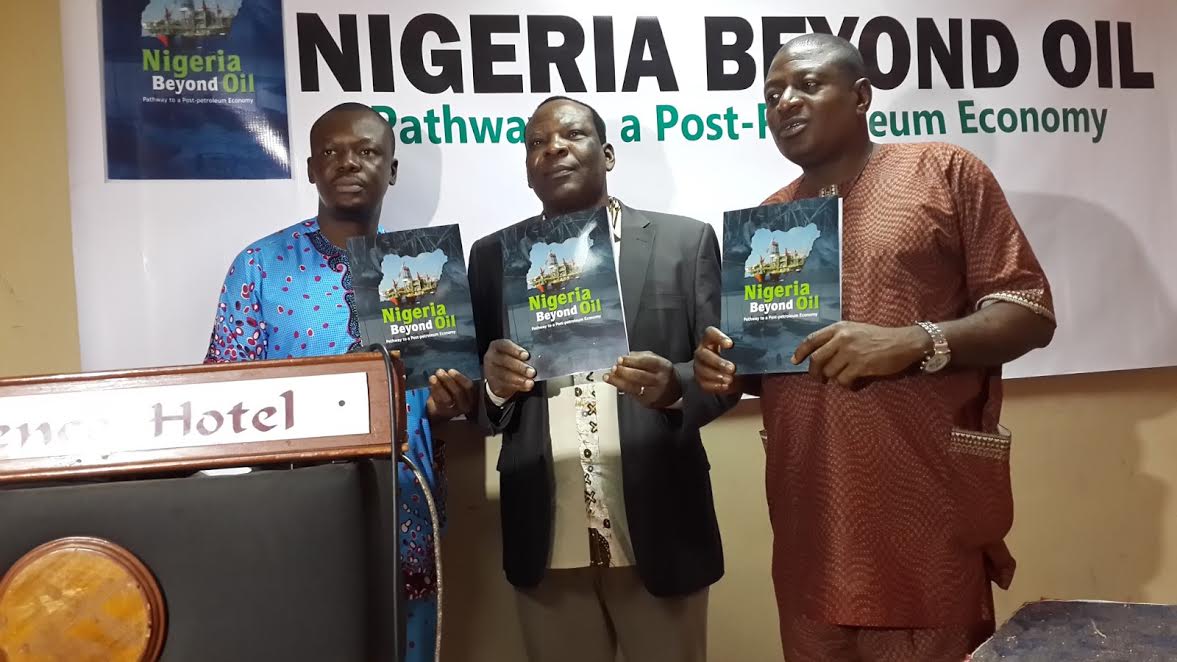

 COMMUNIQUE ISSUED AT THE END OF ENVIRONMENTAL RIGHTS ACTION/FRIENDS OF THE EARTH NIGERIA (ERA/FoEN) 6th RENEWABLE ENERGY CONFERENCE HELD OCTOBER 12, 2016
IN ABUJA
The Environmental Rights Action/Friends of the Earth Nigeria (ERA/FoEN) organised a one-day renewable energy conference – the sixth in the series – on 12 October 2016 in Abuja.
The event, funded by Friends of the Earth Norway, brought together civil society, development groups, government officials and community-based groups who shared experiences and analyzed critically issues concerning energy policy in Nigeria, the environmental and social impacts of extractive processes, and proffered solutions and energy models to address energy deficit. It also addressed peoples’ right to a new energy model in Nigeria.
OPENING
The conference brought to the forefront, serious issues on the growing energy deficit in Nigeria and renewed aggressive extraction of natural resources including oil and gas from Nigeria and other parts of Africa to meet increasing demand in North America, Europe and other countries like Russia, Brazil, India and China.
Participants noted that since energy remains critical for development, individuals and civil society groups must amplify calls for a halt to the fossil fuel economy and a change to clean alternatives such as solar, wind and mini-hydro projects, among others.
At the end of the robust sessions, participants made the following observations:
OBSERVATIONS
- Due to ever-increasing energy needs of industries in the developed and emerging economies, Nigeria like many other African countries carry the burden of massive extraction of raw materials and its impact on the environment, health and livelihoods
- Nigeria’s energy policies are deficient, lack community perspectives and the political will to follow through implementation of some good policies are lacking. The result of this lacuna is the high tariffs that have largely unleashed poverty on local communities who can hardly afford the cost
- Local communities hardly visible in the media, suffer daily untold hardship in the quest for extraction of resources for energy
- There is a dearth of funding from the Nigerian government and donor agencies for research into alternative energy sources that are indigenous to Nigeria. Also, the World Bank and financial institutions continue to invest in energy projects that have adverse effects on energy development in Nigeria
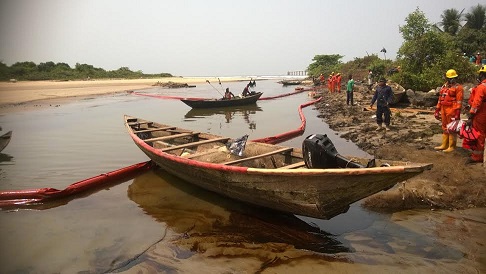
- Oil and solid mineral exploration and exploitation continue to degrade the environment in local communities and the genuine agitation of local communities have only been met with repressive actions by the state and transnational corporations. This is evident in Nigeria’s Niger Delta region where gas flaring has continued in spite of several deadlines imposed by the Federal Government and a subsisting court order outlawing gas flaring
- Nigeria has largely paid lip service to upping power generation to meet the demand of the teeming population
- Nigeria has become a dumping ground for fake and substandard alternative energy products from the developed world
- Most private investors in energy systems in Nigeria are more interested in profits than actually bridging the nation’s energy deficit.
- Funding for research and development is lacking in Nigeria’s drive to energy sovereignty
- There is a dearth of information on energy issues in the media thus deepening public ignorance and inhibiting contribution to solutions
Participants therefore demanded thus:
- The Nigerian government prioritise national and community energy needs over global economic models that promote inequalities
- Reform of the renewable energy policy and proposal for a renewable energy policy bill
- The Nigerian government promote decentralized alternative energy with a focus on renewables which must be affordable and environment- friendly
- Clean and safe community alternative energy models be vigorously pursued to deliver on community energy needs that are off-grid and mini-grids.
- Nigerian government match words with action by allocating a reasonable per cent of its annual income to funding for research and development of alternative energy sources such as solar, wind and biomass, among others
- Nigerian government establish appropriate institutional infrastructure and frameworks to support expanding energy supply and access and their sustainability. Sustainable energy policies must be harmonized and integrated in development at all levels.
- Need to develop a renewable energy development model that is back by an Act of Parliament
- There is need for zero tariffs on renewable energy products to allow greater energy access
- Government should divest funding, loans and subsidies from fossil fuel development and oil prospecting and instead invest in renewable sources of energy.
- Media deepen understanding of energy issues as well as the struggles against environmental and climate injustices.