
These days we are constantly exposed to pesticides and it seems that no matter how hard we try to avoid them, it just doesn’t work.
After all, they are present literally everywhere around us – in the food we eat, in the soil, in public places, etc.
We do everything we can to avoid contact with these pesticides, from washing our produce before we eat them to buying organic or homegrown fruits and veggies.
We do everything we can to avoid consuming these toxic pesticides, and still somehow it always manages to find a way into our home.
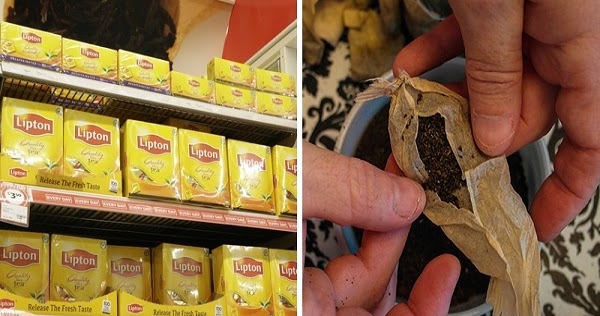
One of the more recent examples of this involves the discovery of amazingly high levels of pesticides in some of the world’s most popular tea brands such as Lipton, Twinings, and Tetley.
Namely, there was an investigation conducted by the CBC News on the tea bags produced by popular companies worldwide, including:
- Tetley
- Lipton (Yellow Label Black Tea and Pure Green Tea)
- Twinings
- King Cole
- No Name
- Red Rose
- Signal
- Uncle Lee’s Legends of China (Jasmine Green Tea and Green Tea)
The researchers used an accredited lab to examine the amounts of pesticides on the dry tea leaves, with the same technique employed by the national Food Inspection Agency.
The study results revealed that more than half of all the teas tested contained pesticide residues that were above the recommended allowance. Plus, 8 out of the 10 tea brands tested were also found to contain multiple chemicals, with one of the brands containing over 22 different kinds of pesticides.
Furthermore, some of the pesticides found in these teas, like monocrotophos and endosulfan, are actually in the process of getting banned in few countries, as they negatively affect the environment and represent a threat to workers that handle it.
Although the majority of the tea brands tested contained traces of pesticides, some brands contained a whopping amount of pesticides while others stayed below the legal limits.
Although zero pesticides are the preferred amount, here is a list of the worst offenders so you will be sure to steer clear of these brands no matter how desperate for tea you are.
- King Cole – This tea brand is high in pesticides, as well as monocrotophos, which is in the process of getting banned, as it leads to irregular heartbeats, coma, and involuntary defecation.
- Uncle Lee’s Legends of China (Green Tea) – This brand of tea contains over 20 different types of pesticides, including endosulfan, which is currently in the process of being banned from many different countries due to its health and environment effects. Side effects of endosulfan consumption include tremors and other effects on the nervous system, and in some cases eating foods containing endosulfan has resulted in death.
- No Name – This tea brand had lower pesticide content than Uncle Lee’s Green Tea, yet, it still packed more than 10 different pesticides.
As strange as it seems, tea industry doesn’t hide these facts. As a matter of fact, the president of Uncle Lee’s Legends of China admitted that all teas contain pesticides.
“If you drink tea, regular tea, I don’t care what brand is that the fact of life, this agricultural product does have pesticides,” James O’Young stated.
He neglected the fact that the research conducted by the CBC found that Red rose was the only brand that does not contain pesticides out of 10 tested. This shows that tea may be cultivated without pesticide residue and that his statement is just one of the many told by big corporations in order to deceive customers.
Hence, you should support those companies which produce tea free of pesticides by avoiding the ones that are filled with it, like No Name and Uncle Lee’s.
healthiestalternative.com